
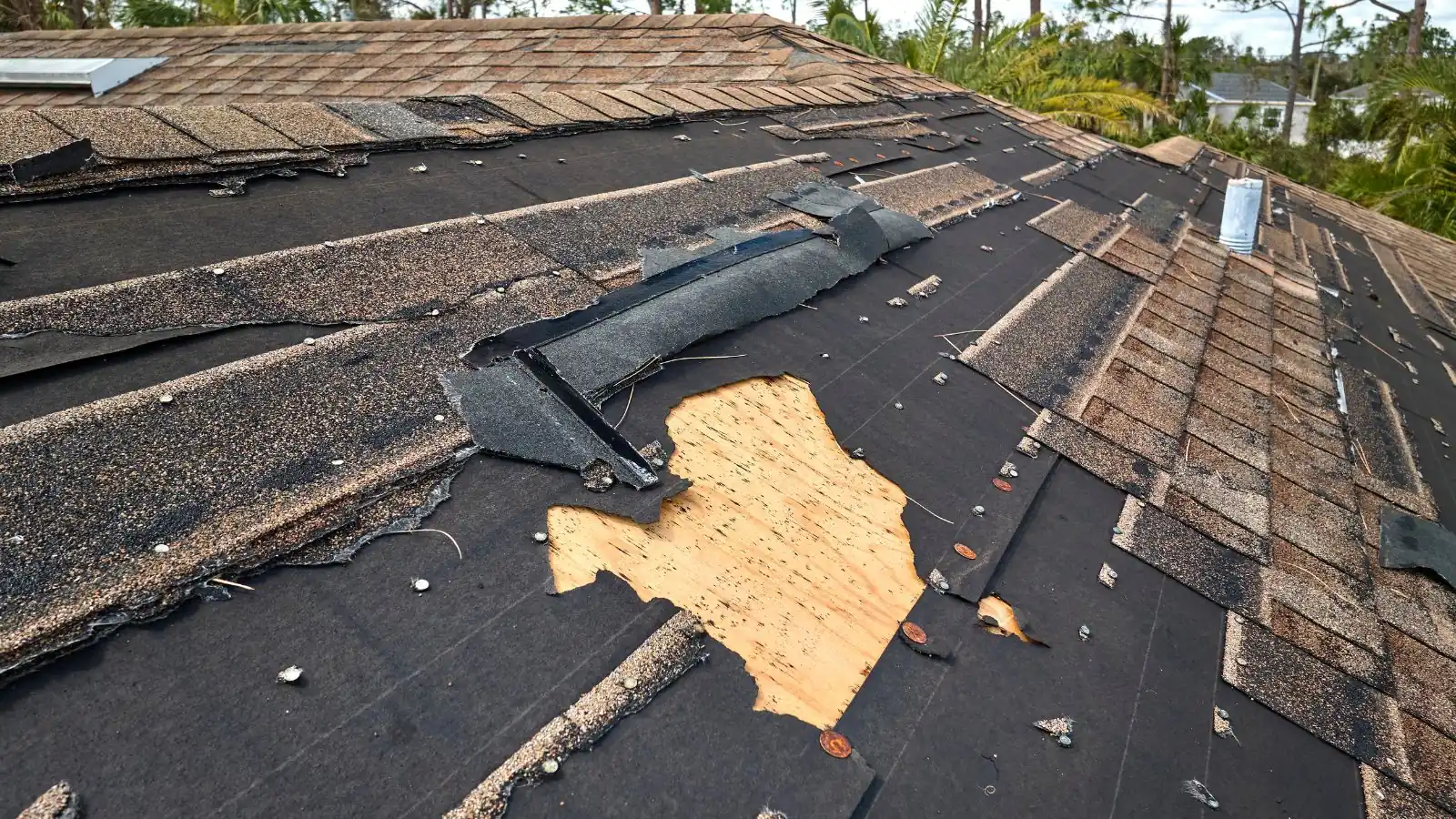
Storm water damage is the wetting of a building by rain or runoff during and after a storm. It usually starts at an opening: a window frame, a door threshold, a roof penetration, a vent or a garage door that does not seal at the bottom.
If it is happening in your Encinitas home now, call us. Dispatch is open 24/7, and same-day response is offered when available. We do not promise an arrival time, because storm roads and conditions change by the hour.
How storm water gets into a house
Wind changes the rules. Rain that falls straight down is shed by a roof, but rain pushed sideways is driven into gaps that stay dry the rest of the year, such as the seam under a window, the track of a slider or the flashing around a vent.
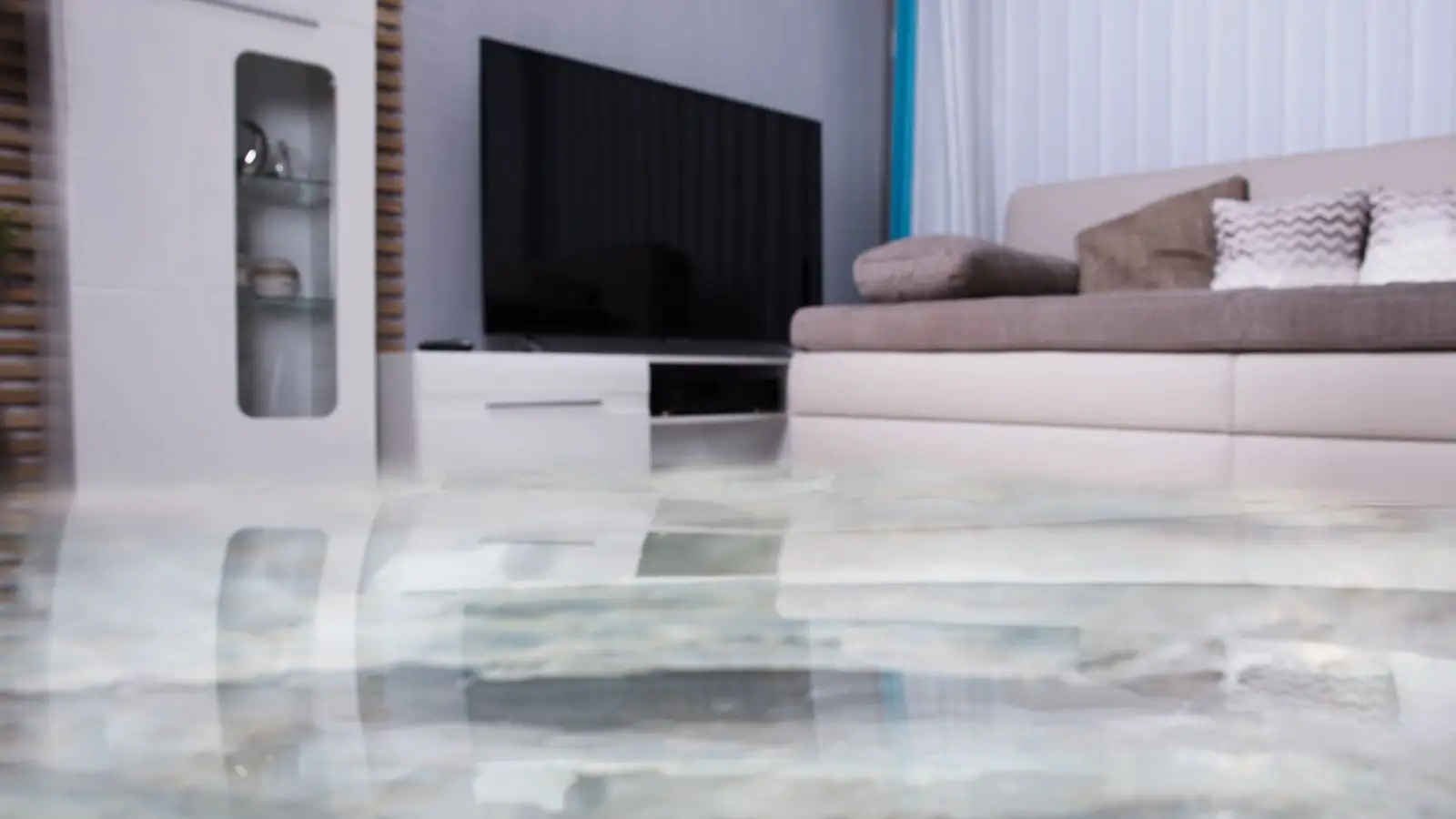
Runoff is the second route. Water that cannot drain fast enough collects against a garage door, a low patio or a ground-floor doorway and pushes under the seal. The city maintains storm drain boxes and underground pipe, but a drain can only carry what reaches it, and leaves and debris on a grate send the water elsewhere.
Storm still going and water still coming in? Call dispatch, describe the opening, and we will tell you what to protect while the weather passes.
☎ (760) 769-1159What you see and what it usually means
| What you see | Likely path | Why it matters |
|---|---|---|
| Water on the sill or stains under a window | Wind-driven rain past the frame or seal | Wet framing and drywall edges can stay damp behind the paint. |
| Drip or brown stain on a ceiling | Roof, flashing or vent leak. See roof leak water damage | Insulation above holds water and keeps spreading it. |
| Wet strip along the garage or entry floor | Runoff pushing under a door or threshold | Water reaches stored boxes, carpet edges and baseboards. |
| Bubbling paint or soft baseboard | Moisture wicking up the wall | The wet area is usually larger than the visible mark. |
Storm safety steps for the first hour
Safety first
If water is touching outlets, a panel, a water heater or an extension cord, stay out of the room. Turn power off only if the panel is dry and you can reach it without stepping in water. If you smell gas, see sparks or hear buzzing, leave the house and call the utility or 911 before you call us.
Do not walk through flooded streets to get home, and do not use a household vacuum on wet floors.
- Stop the entry if you can do so safely, with towels at a threshold or a tarp over a window once the wind drops. Do not climb on a wet roof.
- Move electronics, papers and small furniture up and off the floor.
- Photograph the water, the opening and every wet surface before anything is moved.
- Call us at (760) 769-1159 and describe where the water came in.
Storm water, runoff or flood?
The label matters because it decides how the water is treated and how a claim is read. Rain that enters through the roof, a window or a vent usually starts as cleaner water. Runoff that crossed a yard, a street or a driveway can carry soil, fertilizer and bacteria, and is treated as dirtier water from the start.
Flood restoration covers rising water, creek overflow and groundwater, and it is handled differently. If the water came up from the ground or the street in volume, read our page on flood damage restoration. If it came through an opening in the building envelope, this page is the closer match, and a call will sort out which one you have.
Encinitas storm history and what it means for you
The City of Encinitas hazard mitigation plan records significant winter storm damage in 1997, in 2005 to 2006 and in 2010 to 2011. The plan also describes localized flooding in Leucadia and coastal flooding in Cardiff. Check your window and door seals and roof vents before the wet season, not during it.
The same plan calls out a chronic history of rainwater flooding in parts of Leucadia. It also names Escondido, Encinitas and Cottonwood Creeks and the low-lying parts of Leucadia and Old Encinitas as flood-prone. If your address is near any of these, keep your photo records current and know your route out.
Rain here is concentrated. The National Weather Service table for San Diego's Lindbergh Field gauge says about 85 percent of the rain falls from November through March. That same gauge recorded 22.60 inches in the 2005 water year, about 210 percent of normal, which tells you what one wet season can do. That is a San Diego gauge, not an Encinitas measurement, but it argues for roof and window upkeep in the dry months.
How we handle storm water damage
- Assess and documentWe check where the water entered, note electrical or gas concerns and take moisture readings and thermal images to map the wet area.
- ExtractPumps and wet-dry extraction units pull standing water. Carpet and pad that can be saved are lifted and cleaned, and what cannot is removed.
- Remove what cannot drySaturated insulation, soft drywall and baseboard that touched dirtier runoff are cut out and bagged.
- Dry the structureAir movers and LGR dehumidifiers dry wall cavities and floors, with readings logged each day. How this works is explained on our structural drying page.
We follow the published ANSI/IICRC S500 water damage standard as a reference for categories and drying. You can ask any company how its process lines up with it.
What changes the cost
- Water category. Dirtier runoff means more material removal and sanitizing than clean rain.
- Affected area. The number of rooms and how far the moisture wicked up the walls.
- Materials. Carpet, hardwood, tile, drywall and insulation each respond differently.
- Drying days and equipment. Wet wall cavities and subfloors can need more days and more machines.
- Rebuild scope. Removal and drying are one scope, new drywall, paint and flooring are another.
Insurance: storm intrusion versus flood
Insurers draw a line between water that enters through a storm-damaged opening and flood. The California Department of Insurance says homeowners and commercial policies typically exclude flood, and that flood coverage is the federal National Flood Insurance Program. It defines an NFIP flood as inundation of two or more acres of normally dry land, or of two or more properties, one of which is yours.
A new NFIP policy typically takes effect 30 days after purchase, so it cannot be bought on the day a storm arrives. The department also says the California FAIR Plan does not cover storm-related damage without a supplemental difference-in-conditions policy from another insurer. How your own claim is classified is a question for your policy and your insurer, and we do not promise approval or payout.
Mistakes to avoid after a storm
- Waiting for the rain to stop before calling. Water in the wall is already wicking.
- Painting or laying new flooring over a damp wall or slab.
- Hiring any contractor for work of $500 or more without checking the license on the Contractors State License Board site, cslb.ca.gov.
We also take storm calls from nearby towns, including Carlsbad and Solana Beach.
Frequently Asked Questions
Yes. Dispatch is answered 24/7, including storm nights and weekends, and same-day response is offered when available. We do not promise an arrival time, but the first call covers safe steps and what to photograph.
Usually not. Insurers generally treat a flood as water covering two or more acres or two or more properties. Rain entering through a roof, window or vent is a different cause, so check your policy or ask your insurer how it is classified.
Restoration removes water and dries the structure, but it does not repair the opening. A roofer, window installer or drainage contractor does that, and you can verify any license at cslb.ca.gov.
Ask the City of Encinitas Building Division whether your repair needs a permit.